
4 Reasons You Need TRX Training
4 Reasons You Should Be Using TRX Training During the Off-Season for Stand-Up Paddle boarding
As the water cools and the boards get stashed for a bit, your off-season training doesn’t need to be a drag. It needs to be smart. If you’re paddling at an intermediate level and you want to come back stronger, more durable and ready to perform, the TRX Suspension Trainer offers a clear path. Here’s why it works.
1. Build Functional Strength That Transfers to the Board
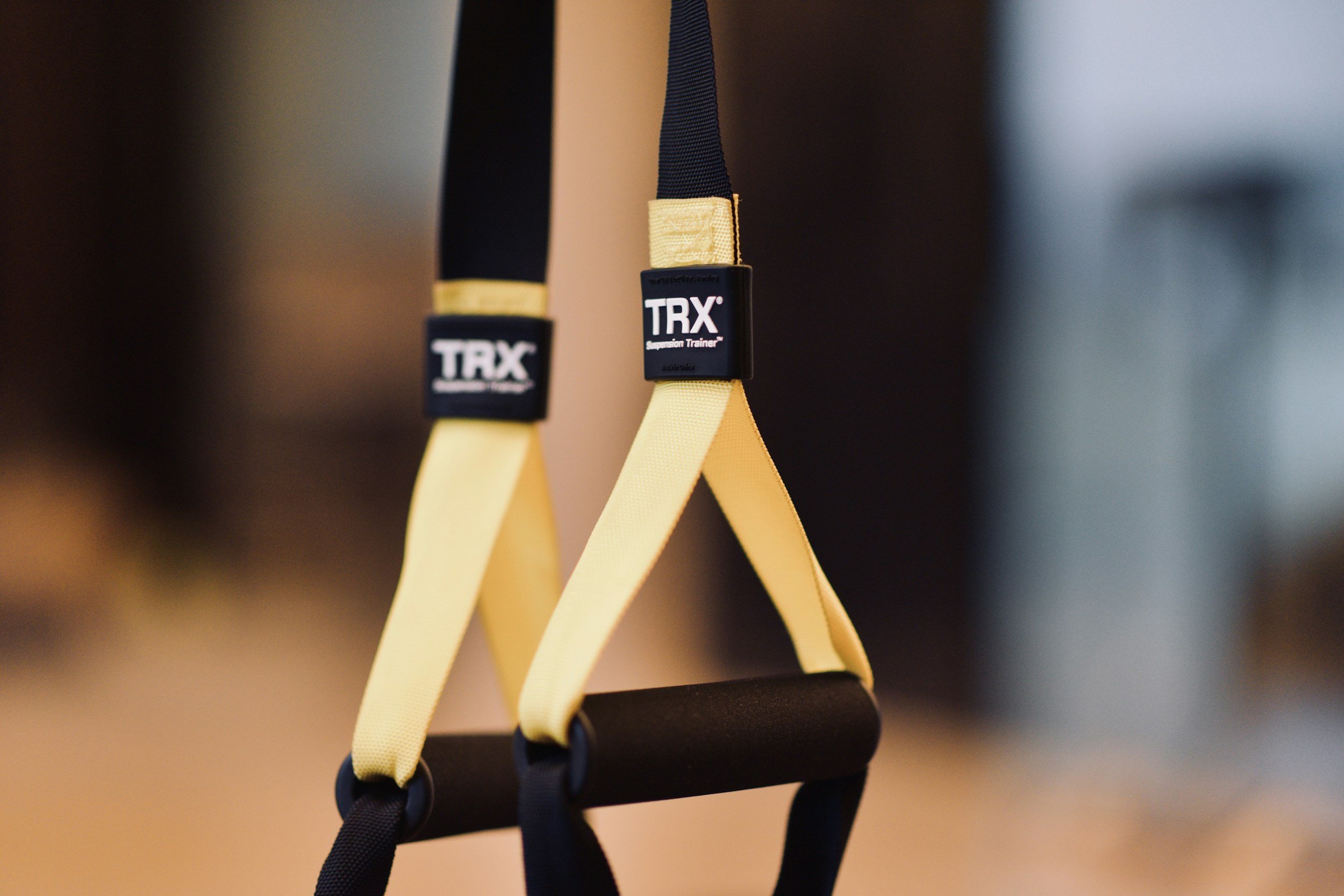
Off-season is your chance to build strength, not necessarily max out heavy lifts. With a suspension system like TRX, you engage your body in integrated, full-body movement patterns, especially pulling, pushing, core stability and hip drive. That matters on a SUP board. If you are a newish and/or recreational paddle and don’t want to loose your gains from this summer, you need to work on balance and coordination. Either way, once the weather breaks back in your favor, you will be ready.
Research supports this. A systematic review found that suspension training resulted in higher core-muscle activation compared with stable-surface resistance training. (Frontiers) Another study noted improved muscle activation in upper extremity and core muscles using suspension training. (PMC)
For a paddler: every stroke, every turn and every paddle through chop demands more than just arms. It demands a stable torso, anchored hips and coordinated shoulder and back drive. TRX or any suspension type training system will help all those areas.
2. Improve Balance, Stability & Core Control — Key for SUP
One of the toughest parts of paddle boarding is staying upright, staying balanced on a moving surface, and reacting when the board tilts or the wind kicks up. That’s not just about strong legs. It’s about dynamic stability, neuromuscular control and core-bracing.
Suspension training excels here. In a study of 48 healthy young adults undergoing a 9-session suspension program, dynamic balance improved significantly (Y-Balance Test, jumping sideways, single-leg stability). (MDPI) Another six-week study showed improvements in core muscle function and balance using suspension training. (digitalcommons.wku.edu)
Putting this into context for SUP: you're standing, shifting weight, reacting to small board movements, if you are racing you are moving forward and backward the board. Off-season TRX training helps you get better at those micro-adjustments before you even hit the water again.
3. Maintain Mobility, Endurance & Resilience — While Staying Off the Water
For many of paddlers, winter months mean fewer hours on the board. But you can’t just coast. A suspension training system offers a portable set-up (door anchor, tree strap, beam hook) that fits travel or indoor spaces. Mobility plus strength-endurance matters more in off-season than brute force.
Research shows suspension training not only improves strength but also cardiovascular and metabolic parameters. An eight-week TRX program improved muscular fitness, reduced body-fat and improved markers like waist circumference and blood pressure. (ijrep.org)
For your off-season plan: if you maintain strength, stability and a bit of endurance via TRX, you’ll come back onto the board with less “re-learning” and more forward momentum.
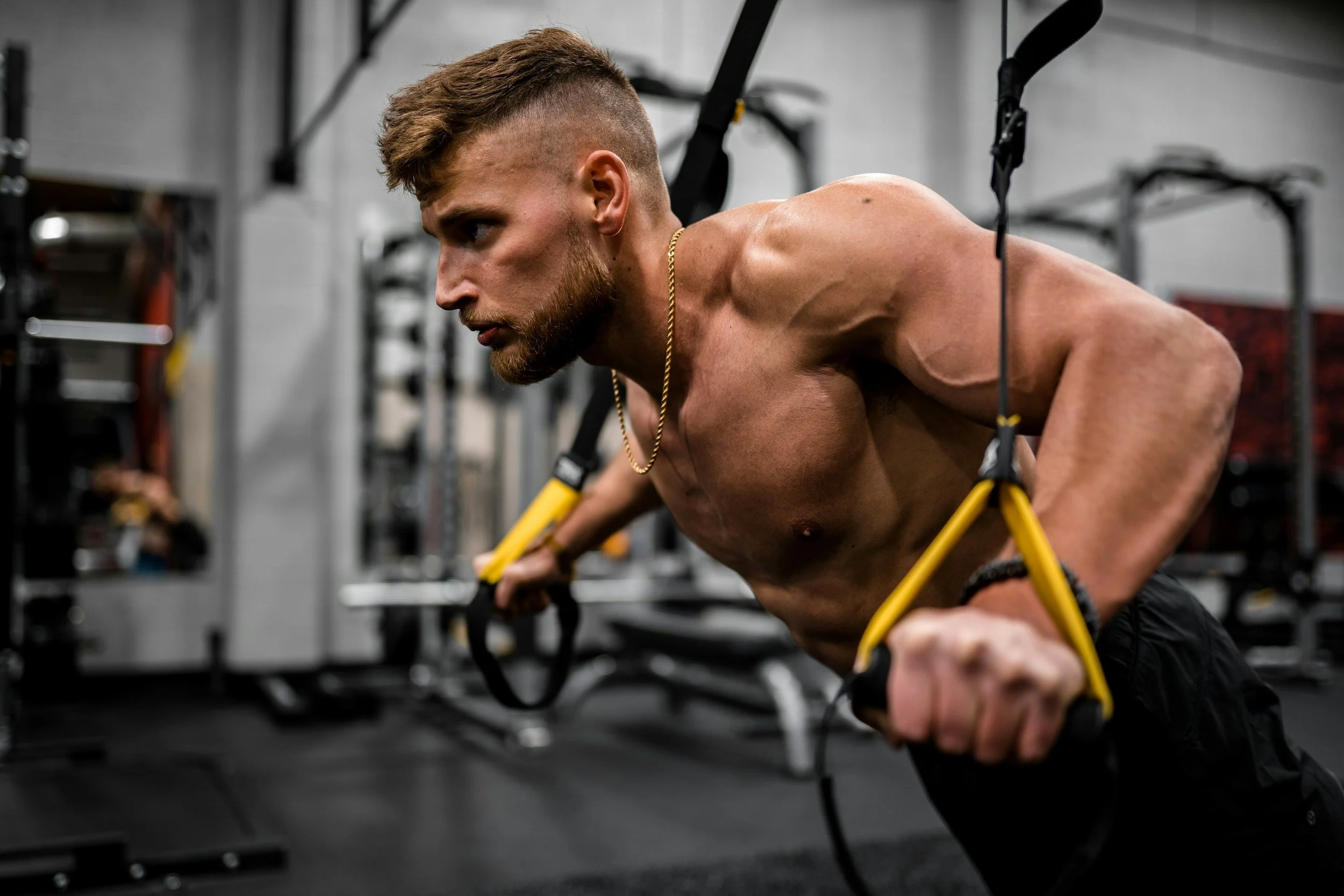
4. Travel-Friendly, Easy to Adapt and Just Plain Practical
Your gear in the winter may not be a full rack of barbells. Maybe it’s a set of straps. Maybe a hotel room or basement. TRX is ideal because it’s low-equipment, high-value.
The portability benefit is legit. One article points out that suspension training’s big advantage is that the kit “can be set up anywhere that has a decent anchor point.” (futurefit.co.uk) For a paddler who travels, have off-season trips, or simply wants to train at home when the weather drops, this matters.
You’re not reliant on a gym. No heavy load-lifting injuries. Less gear needed. More consistency.
Final Thoughts
If you’re paddling at an intermediate level, committed to keeping your off-season meaningful, the TRX Suspension Trainer makes a lot of sense. You’ll get strength and mobility that actually transfers to your board. You’ll enhance your balance and stability for those wobble-moments. You’ll sustain endurance and resilience through winter months. And you’ll do it in a way that’s practical, portable and adaptable.
So here’s what to do next: Commit to at least one session per week (ideally: two) using TRX or another suspension training system. Focus on movement patterns that mimic paddling (pulls, core twists, single-leg stances, anti-rotation). Stay consistent. When spring hits, you’ll be ahead.
And yes, if you’re ready to gear up, we are SUP Club have a link that would support our newsletter, here are links to grab a TRX kit, set up your anchor, and get started.

