5 Reasons SUP is Beneficial
Reasons SUP Is Legitimately Good for Your Mental Health
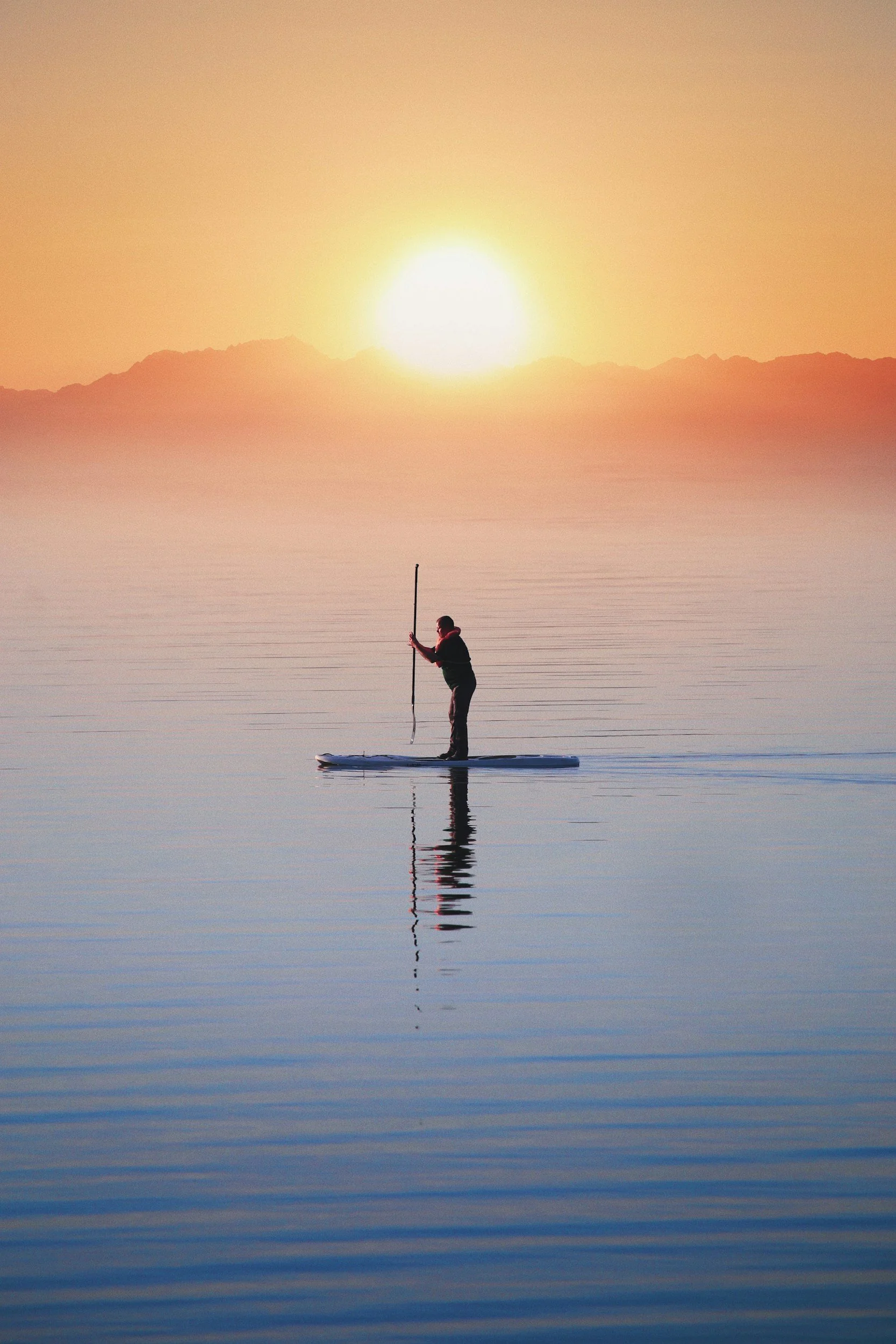
March paddling is cold and usually stupid. The water temperature makes no sense. The wind argues with you. Your hands go numb around minute twelve. But two springs ago, I was dealing with the kind of seasonal depression that makes your own kitchen feel like a waiting room, plus job stress that had me staring at the ceiling at 2am like it mattered.
I started forcing myself out every weekend. Not because I wanted to. Because sitting inside was worse.
By mid-April, something had shifted. My mood had pulled out of the basement. The work stress hadn’t disappeared, but it had shrunk to a manageable size instead of filling every available thought. I was still dealing with the same problems. They just didn’t feel as heavy when I came off the water.
That’s when I realized paddling was doing more than I gave it credit for. I thought it was just a good time on the water. Turns out the mental health work was the main event.
Here are five reasons stand up paddle boarding is legitimately good for your brain.
Stress Reduction Happens Without You Trying
Paddling has rhythm. Reach, catch, power, recovery. Your body falls into it whether you decide to or not, and that rhythm does real work on your nervous system. Heart rate settles. Breathing slows. Your shoulders drop from wherever they’ve been hiding near your ears.
Water forces your attention outward. You can’t spiral about work when your board is wobbling just enough to keep you honest. You can’t rehearse arguments or replay meetings when you’re reading wind and current.
I’ve launched stressed more times than I can count. I’ve come back wondering why I was worked up in the first place almost every time. It’s hard to stay twisted when you’re literally floating.
It Improves Your Mood Without Feeling Like Work
SUP is sneaky exercise. You engage your legs, core, back, shoulders, stabilizers. You don’t think about reps or sets. You just move. That full body engagement triggers endorphins, which is your brain’s way of saying this is good, keep going.
There’s no countdown clock. No performance pressure. You paddle hard if you want. Easy if you need it. Either way, you finish feeling better than when you started, which is the entire point.
Most paddlers notice the mood shift before they notice sore muscles. That’s a good trade.
Nature Does the Heavy Lifting
On the water, nature isn’t scenery. It’s the environment you’re moving through. Wind on your face. Water sounds under the board. Birds doing their thing without caring about your calendar.
That immersion matters in ways that sitting outside on a bench doesn’t. You’re not observing nature. You’re in it. Part of it. Moving with it.
This is the benefit that surprised me most. I expected paddling to be fun. I didn’t expect it to rewire how I process stress. But putting myself in a natural environment, consistently, for hours at a time, did something no amount of gym time or couch sitting ever managed. My baseline anxiety dropped. Problems that felt urgent on land felt smaller on the water. Not because they went away. Because I could see them more clearly.
People talk about getting outside like it’s a nice bonus. For paddlers, it’s structural. The water is where your brain gets to reset.

support this blog and shop with this link for SUP apparel
The Board Forces You Into Right Now
Balance demands attention. Paddle timing demands coordination. Small shifts in wind or current demand awareness. All of that pulls your brain into the present moment, which is exactly where stress loses most of its power.
You can’t zone out too hard or the board will happily dump you. That’s not a bug. That’s the feature.
I’ve accidentally meditated my way through plenty of sessions. No app. No guided voice. Just focus, movement, and enough sensory input to quiet the mental noise. It’s one of the few activities where distraction is immediately unhelpful, which is exactly why it works.
Sunlight Matters More Than You Think
Getting outside on a board puts you in the sun long enough for it to register. Sunlight affects mood regulation and sleep cycles. Vitamin D deficiencies are common, especially in late winter and early spring when most people are still hiding indoors.
Paddling in shoulder seasons helps close that gap. You don’t need perfect conditions. You just need consistent time outside, board on water, sun on skin.
Cold water paddling gets written off as hardcore or unnecessary. It’s neither. It’s just paddling when fewer people are willing to show up (just be sure to have the appropriate cold weather paddling gear). And if your brain feels heavy in March, waiting until June isn’t a strategy.
What This Actually Is
Stand up paddleboarding isn’t therapy. But it handles some of the same work. It reduces stress, improves mood, grounds you in the present, and reconnects you with an environment that doesn’t care about your job title or inbox count.
You don’t need to optimize it. You don’t need to track it. You just need to paddle.
If your brain has been loud lately, the water is almost always quieter. That’s not inspiration. That’s just what happens when you get on a board and stay there long enough for your nervous system to remember it has other settings.
