Be Better on the Water
3 At-Home Exercises That'll Make You a Better Paddler
You want to feel more solid on your board. Less wobble, more confidence, better strokes. The obvious answer is more time on the water, but here's the thing: you can build serious SUP-specific strength and balance without getting wet. These exercises hit the exact muscles and stability patterns you use while paddling, and most take less time than scrolling through your phone while your dinner reheats.
No gym required. No complicated equipment. Just you, a little floor space, and the willingness to feel slightly ridiculous while standing on one leg in your living room.
Planks: The Boring One That Actually Works
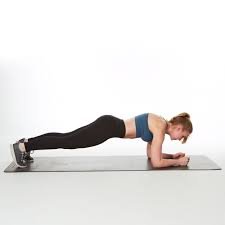
Proper Plank position
Planks get recommended for everything, which makes them seem generic. But your core holds you upright on an unstable platform while your arms pull a paddle through water. That's basically the job description of a plank.
Get into a pushup position but drop to your forearms. Elbows under shoulders, feet hip-width apart, body straight as a board (pun completely intended). Pull your belly button toward your spine and squeeze your glutes like you're trying to crack a walnut back there. Hold for 30 seconds to a minute, and repeat for 3-5 sets.
The beauty of planks? You can knock them out during TV commercials. Four commercial breaks equals a solid plank workout. Your core will hate you, but your next paddle session will feel noticeably steadier.
Single-Leg Deadlifts: Where Balance Meets Strength
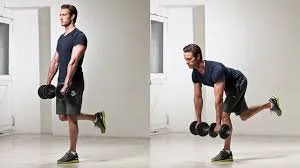
This one builds the exact kind of balance you need on a SUP. Not the "stand still and don't fall over" kind, but the active, weight-shifting, one-side-loading balance that happens when you're mid-stroke.
Stand on one foot. Hold a weight in one or both hands if you've got dumbbells lying around, but bodyweight works fine too. Hinge forward at the hips, keeping your back straight and core tight, until your torso is parallel to the floor. Your free leg extends behind you for counterbalance. Stand back up. Repeat.
If that feels like trying to write your name while riding a mechanical bull, just stand on one foot for 60 seconds. Seriously. Single-leg standing builds proprioception, which is your body's ability to know where it is in space without looking. On a wobbly board, that matters more than you think.

use this link to shop iRocker and support this blog
Yoga: Specific Poses Beat Generic Stretching
Yoga is one of those words that means everything and nothing. For SUP purposes, you want poses that challenge your balance and fire up your core, not ones that make you feel zen while lying on your back.
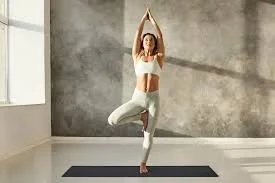
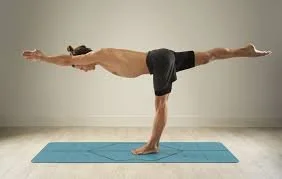
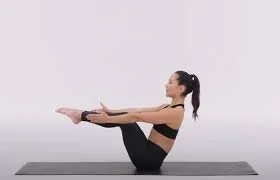
Three poses worth your time: tree pose (balancing on one leg with the other foot pressed against your inner thigh), warrior III (basically a single-leg deadlift but holding the parallel position), and boat pose (sitting, legs and torso lifted, core screaming). These directly translate to better board control.
Start with a beginner YouTube class from someone who actually teaches yoga instead of someone that looks hot in exotic locations. Work up from there. Most towns and all cities have yoga studio that will teach beginner and many often have brilliant cross-training opportunities.
The Warm-Up Nobody Does But Should
Quick note before you dive into these: warm up first. Sixty seconds of jumping jacks, arm circles, or walking around your house like you're late for something will do. Cold muscles don't respond well to balance challenges, and falling over in your living room hits different than falling in water.
Actually Do Them
Here's the part where most fitness advice falls apart. These exercises work, but only if they happen more than once in a fit of New Year's motivation. Pick two or three, do them three times a week. They don't need to be perfect, just consistent.
Your board will notice the difference before you do. One day you'll realize you're not white-knuckling your paddle in choppy water, and you'll remember that weird month you spent doing planks during Jeopardy. Worth it.
