
Dry Bags Worth Your Time

I've watched more phones die on the water than I care to admit. Not mine, thankfully (learned that lesson early and expensively), but plenty of paddling buddies who figured a "quick trip" didn't need protection. Spoiler: it always does.
A dry bag is one of those pieces of gear that feels optional right up until the moment it isn't. You don't think about it until your keys are at the bottom of a lake or your lunch is soup. Let's talk about which dry bag actually earn a spot on your board.
Why You Need One
Water finds a way. Splash, rain, a wave off a boat wake, or just setting your bag down on a wet dock. It doesn't take a capsize to ruin your stuff, just a little bad luck and an unprotected bag.
Beyond keeping gear dry, a good dry bag does double duty as flotation if you pack it right (air trapped inside helps it float, so don't cram it completely full). That means your phone, wallet, and snacks have a fighting chance even if you go for an unplanned swim.
If you paddle anywhere beyond a calm pond on a windless day, this isn't optional gear. It's baseline gear.
Choosing the Right Size
Size is where people overthink it or underthink it, rarely land in the middle. Here's the breakdown so you stop guessing.
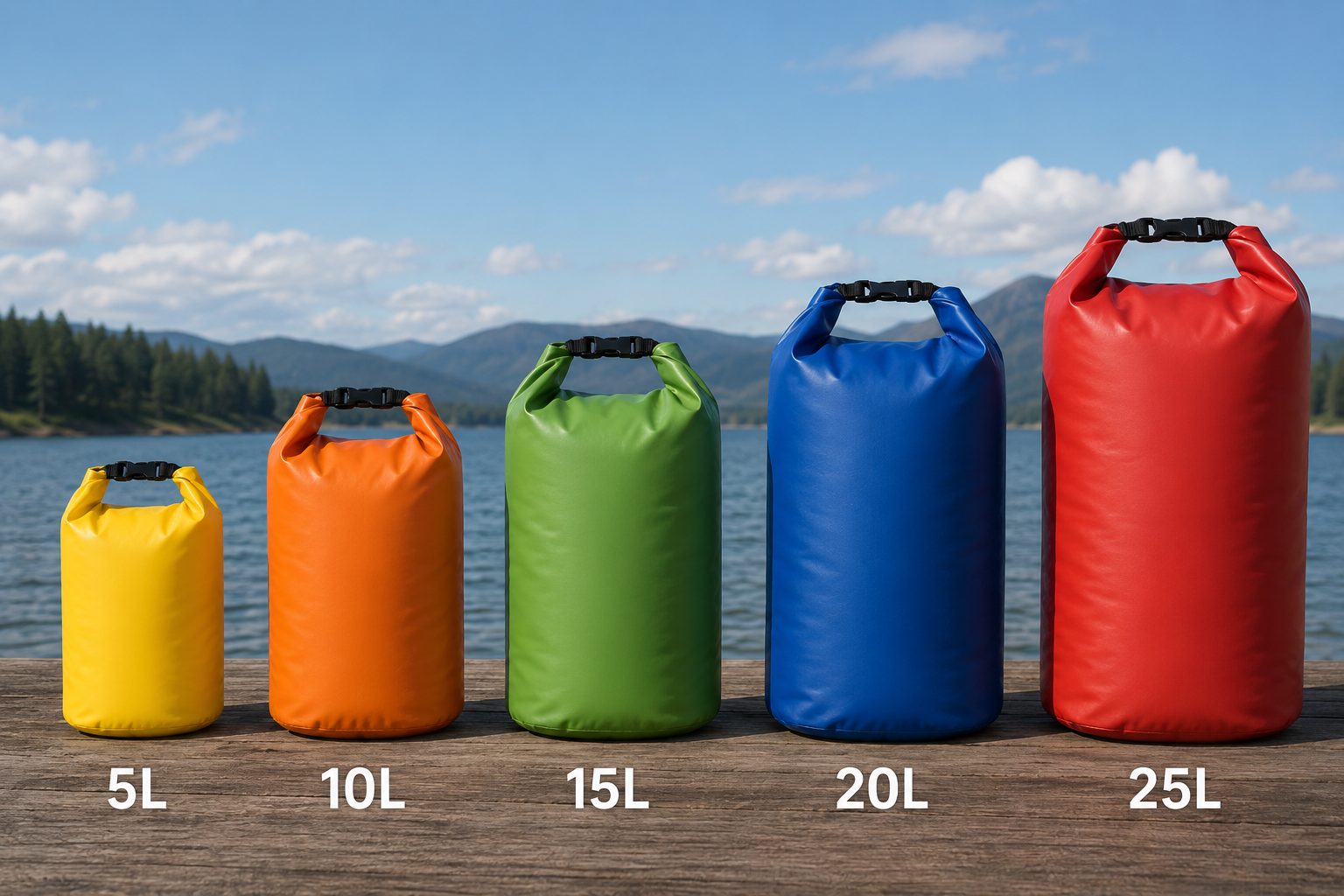
5L bag is your phone, keys, wallet, and maybe a granola bar. That's it. It's the bag for short paddles where you want your essentials protected and don't want extra bulk strapped to the deck. Don't try to cram a jacket in there, you'll just be fighting the seal.
10L bag is the sweet spot for most day paddlers. Phone, keys, a light layer, sunscreen, a snack, maybe a small first aid kit. If you only own one dry bag, make it this size. It handles a real day on the water without turning into a chore to pack or strap down.
20L bag is for people doing full days or overnights. Extra layers, larger first aid kit, food for the day, maybe a towel or hammock or a change of clothes. It's bulkier and you'll notice the weight, but if you're out there long enough that "what if I get cold" becomes a real question, this is your answer.
Match the bag to the trip, not the other way around. Bringing a 20L bag on a one hour paddle just means more gear to strap down for no reason.
Budget Option: Amazon Dry Bags
There's a whole world of inexpensive dry bags on Amazon, usually in the $12 to $30 range, and honestly, for casual paddlers or beginners, they get the job done. Roll-top closure, decent material, and they'll keep your stuff dry on a normal outing. Some even come in a 3-pack.
The catch: the seams and roll closures on cheaper bags tend to wear out faster, and the fabric can get brittle after a season or two in the sun. If you're paddling once a month and just need something for your phone and keys, this tier is fine. If you're out there weekly or you're tossing this bag around gear-heavy trips, you'll outgrow it. If this is your bag, check out the Earth Pak brand on Amazon.
Classic: NRS Dry Bags
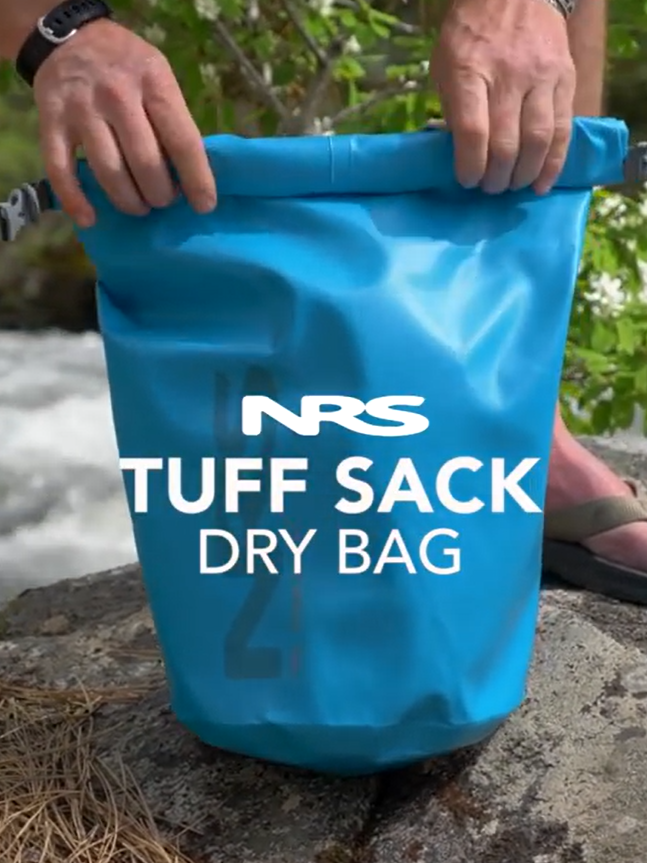
NRS has been outfitting paddlers for decades, and their dry bags reflect that. Built with heavier-duty fabric and welded seams, these are the bags that survive being sat on, stepped on, and shoved into a kayak hatch for a full season without complaint.
I've had an NRS bag going on five years now. Still holds air, still rolls tight, still doesn't leak. That kind of durability is worth the jump in price if you're paddling regularly or taking multi-day trips where a failure actually costs you something.

Keep this newsletter free by shopping this link for your new board
Premium: Sea to Summit
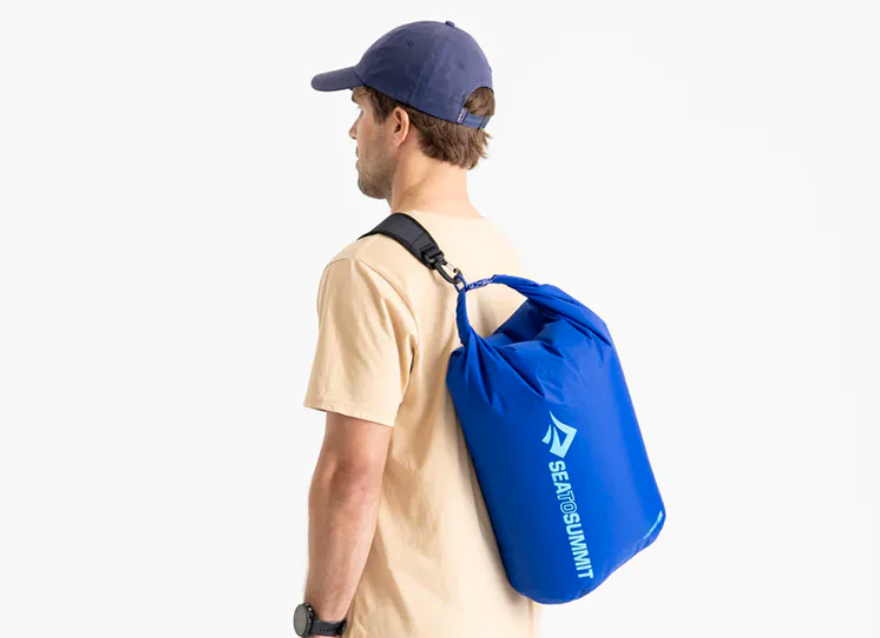
Sea to Summit sits at the top end for a reason. Their dry bags use lighter, tougher fabric than most of the competition, and the roll-top seals are about as reliable as it gets. If you're doing overnight paddle trips or you need something that'll also hold up to backpacking and camping between paddle sessions, this is the tier that makes sense.
You're paying for weight savings and reliability here, not flash. Worth it if gear failure genuinely isn't an option for your trips.
My Favorite: Meraki Supply Co.
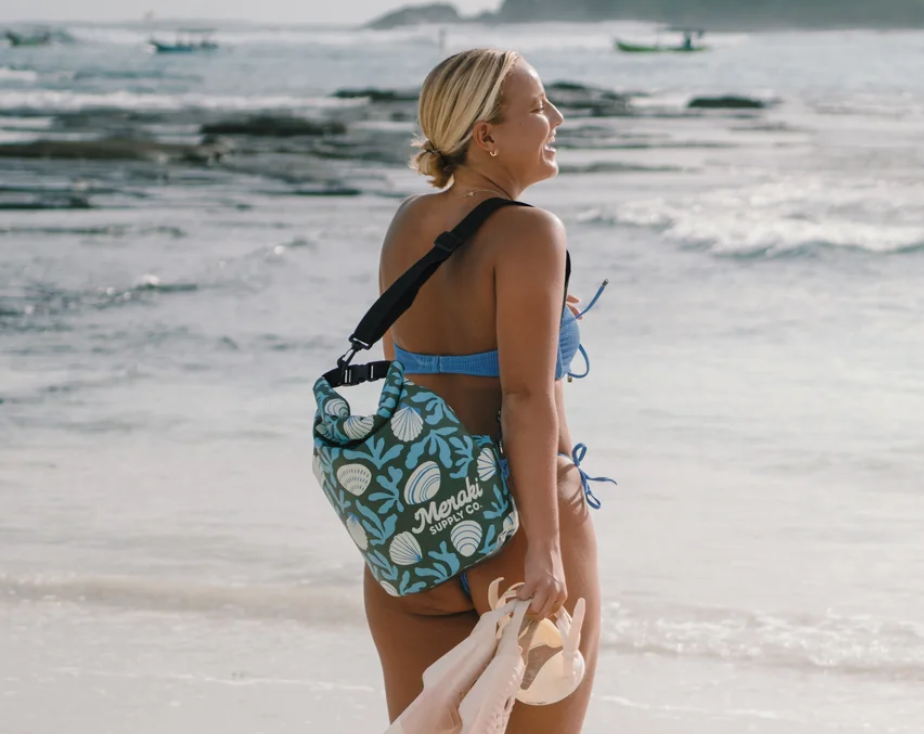
Meraki Supply Co Dry Bag
Truthfully, the Meraki Supply Company dry bags have become my go-to, and not just because they're well made. They are, but they also don't look like every other bag bobbing around the put-in. The colors and patterns actually have some personality, which matters more than people admit when you're staring at a pile of identical red bags trying to find your own.
Build quality holds up right alongside NRS, seams are solid, and the roll-top does its job trip after trip. But it's the style that gets people asking where I got it, which is a nice bonus for gear that's otherwise just, well, a bag.
If you want one dry bag that balances durability and doesn't look like it came off a commercial fishing boat, Meraki is worth a look. I've mentioned them a few times here because they've earned it.
Additionally, use the Code SUPCLUBMD at check out for 15% off your order
Bottom Line
Get a dry bag. Get a good one if you paddle often. Amazon bags are fine for occasional use, NRS and Sea to Summit are built for people who paddle like it's a lifestyle, and Meraki Supply Co gives you durability without sacrificing style. Pick based on how often you're on the water, not just the price tag.
If this helped you, click those links and go paddle.
